A sewage backup in Draper is a health problem before it is a cleanup problem. Waste water that comes up through a basement floor drain or a tub is category 3, grossly contaminated, and it carries pathogens that a fan and a mop will not remove. This page covers how sewage cleanup works here and how we connect you with IICRC-certified restoration pros who quote the job. We do not perform the work; we match you with local companies.
Why this is different here
A sewage backup is the most hazardous water loss you can have indoors, and Draper sees them from two directions. Sanitary sewer in the city runs through South Valley Sewer District, while storm drainage is a city function, so a backup can start on either line. Tree roots, aging lateral pipes and heavy rain that surcharges the sewer all push waste backward into the lowest drain in the house.
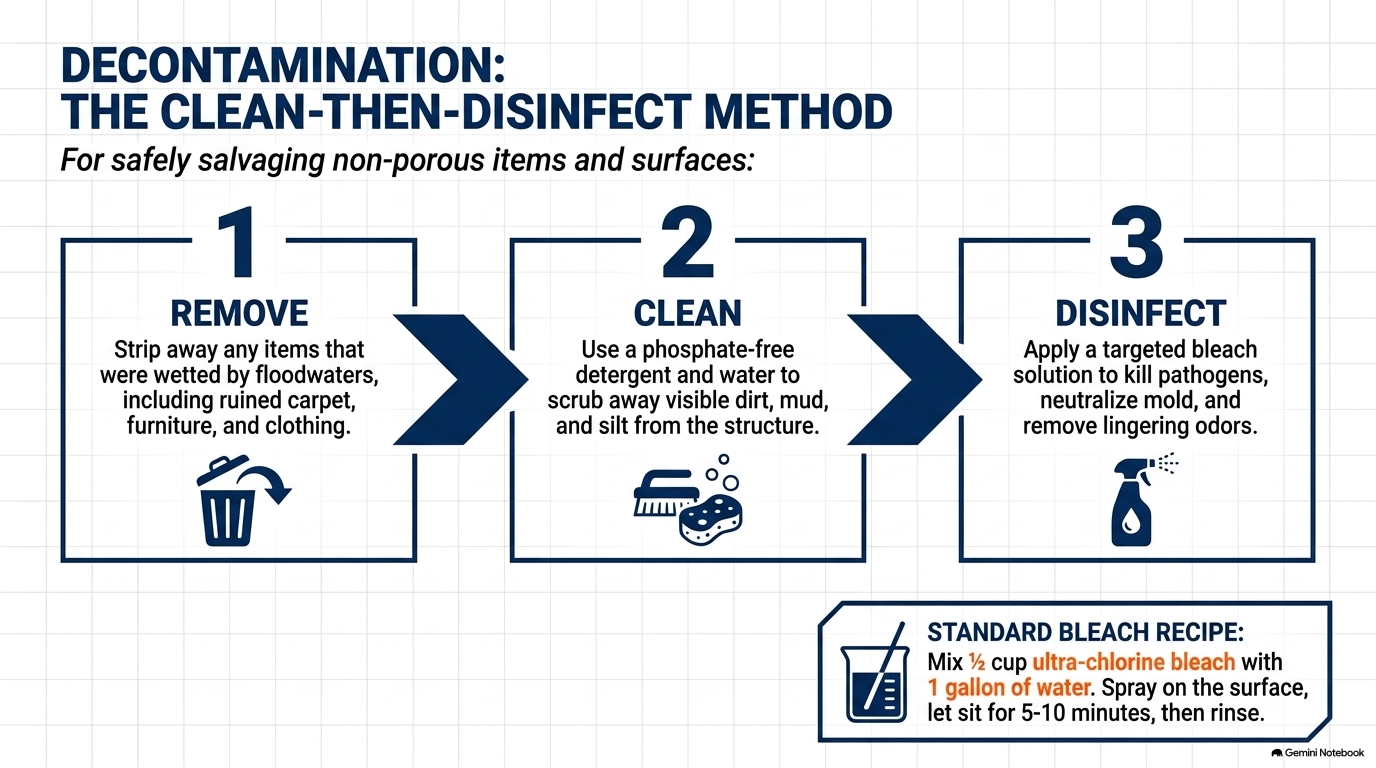
The water is category 3, which means grossly contaminated. It carries bacteria, viruses and parasites, and anything it touches is treated as contaminated until it is cleaned or removed. Pouring bleach on a backup and running a box fan is not a fix, and it moves pathogens into the air and into other rooms. Porous materials that absorbed the water, including carpet, pad and drywall, are usually removed rather than dried.
The slow-draining clay soils under Draper make it worse, because a saturated yard cannot absorb the extra flow and the line stays under pressure longer. Fast response limits how far the contamination spreads, and it protects the structure from the mold that follows a category 3 loss within a day or two.
How It Works
- Tell us about your sewage cleanup project
- Get matched with up to 3 Draper pros
- Compare quotes and choose the best fit
Materials, Installation & Quality
Our matched Draper pros use professional-grade materials and techniques — proper site prep, reinforcement, control joints, and curing methods that stand up to local conditions. They do not cut corners, and they do not use substandard mixes or shortcuts that lead to early failure.
Local rules and permits in Draper
The rules below come from the town and county offices that issue the permits, and they change what a crew can start on and when. Ask any pro you talk to which of these applies to your lot before work begins.
Know which line failed
Sanitary sewer in Draper is handled by South Valley Sewer District at (801) 571-1166, while storm drainage and streets are a Draper City public works matter. If the backup is from the sanitary line, the district should be involved, and if it repeats, the lateral under your yard is usually the cause. That call shapes who is responsible for the line repair.
Treat a sewage backup as contaminated
Category 3 water carries pathogens, and porous materials that soaked it up are removed, not dried. Do not run household fans across the area or walk waste through the rest of the house, because that spreads contamination. Keep children and pets out of the affected space until a pro has cleaned and cleared it.
Rebuild after a sewage loss often needs a permit
Replacing drywall, flooring, cabinetry or framing in Draper City runs through the Building Division at (801) 576-6399, and inspections are scheduled through the city portal. Document everything that is removed with photos and a written list, since that record supports an insurance claim and shows the rebuild matches the actual loss.
Common questions
Why does my Draper basement drain back up?
Floor drains are the lowest point in the system, so when the sewer line surcharges, waste comes up there first. Common causes are tree roots in the lateral, a clog further down the line, or heavy rain that overloads the sewer. A camera inspection of your lateral often finds the reason.
Is a sewage backup covered by insurance?
Sometimes, but it usually depends on an endorsement. Many homeowners policies exclude sewer backup unless you added coverage for it. Check your policy and ask your agent, because the answer decides whether you file a claim or pay out of pocket for the cleanup and the rebuild.
How long does sewage cleanup take?
It depends on how far the waste spread and how much porous material has to come out. A contained backup in one room can be cleaned and dried in a few days. A loss that reached multiple rooms or a finished basement takes longer, because removal and disinfection come before any drying and rebuild.
Related Services in Draper



Ready to find a pro in Draper? Call (385) 274-0251 or fill out our contact form.